
Indonesia’s vast archipelago faces a critical paradox: while sunlight is abundant, the nation still struggles with limited access to clean, sustainable energy.
Despite its wealth of natural resources, Indonesia remains heavily dependent on fossil fuels like coal and oil. This reliance accelerates carbon dioxide levels and poses significant health risks through air pollution.
To combat this, the Indonesian government is targeting Net Zero Carbon by 2060. A primary pillar of this strategy is the rapid adoption of renewable energy.
Geographically, Indonesia is well-positioned to harness solar energy, with a potential capacity of 500 GW. However, as of 2022, only a small fraction of this potential has been utilized.
Closing this gap requires active participation from the private sector—a role currently filled by Xurya, an East Ventures-backed company accelerating the adoption of solar panels for regional businesses.
The evolution of Xurya’s sustainable journey
Founded in 2018 by Eka Himawan, Edwin Widjonarko, and Philip Effendy, Xurya has emerged as a leader in Indonesia’s renewable energy industry.
The founders combined their deep expertise,—Eka’s background in solar technology investment and Edwin’s research experience,—to launch the venture in 2017, when they felt the market was ready.
Later, Philip joined the two of them “to support the operational side of the business,” explained Eka.
Xurya provides comprehensive solutions ranging from financing and engineering design to the installation and operation of solar panels. Their impact to date includes:
- Capacity: Developed over 100 MW of solar power across nearly 200 projects.
- Accessibility: Pioneered a zero-upfront-cost solar rental model, allowing over 100 companies to transition to clean power without initial capital barriers.
- Ecosystem: Partnered with over 150 local EPC (Engineering, Procurement, and Construction) firms and co-founded the Solar Academy Indonesia to empower local talent.
Innovation remains at the core of their operations. Xurya was an early adopter of Internet of Things (IoT) technology for remote monitoring and is currently integrating artificial intelligence (AI) to diagnose system errors and optimize performance.
This ensures that their solar energy systems remain reliable and efficient over their long lifetimes.
Scaling sustainably while staying agile
The path to scaling renewable energy was initially met with skepticism. In 2018, market awareness was low; many businesses viewed solar panels as expensive “alien technology” and prioritized conventional electricity for industrial use.
Instead of retreating, Xurya focused on educating the market and highlighting the financial benefits of their rental model.
Today, their projects generate approximately 164 million kWh of clean energy annually—equivalent to a reduction of over 146,000 tons of CO2 per year.
Looking toward the future, Xurya is diversifying its reach:
- Grid Integration: Planning to sell solar-generated electricity to the national grid (PLN).
- Off-grid Solutions: Implementing micro-grid solutions at mining sites and resorts to replace up to 80% of diesel use with solar energy.
Paving the way for future climate innovations
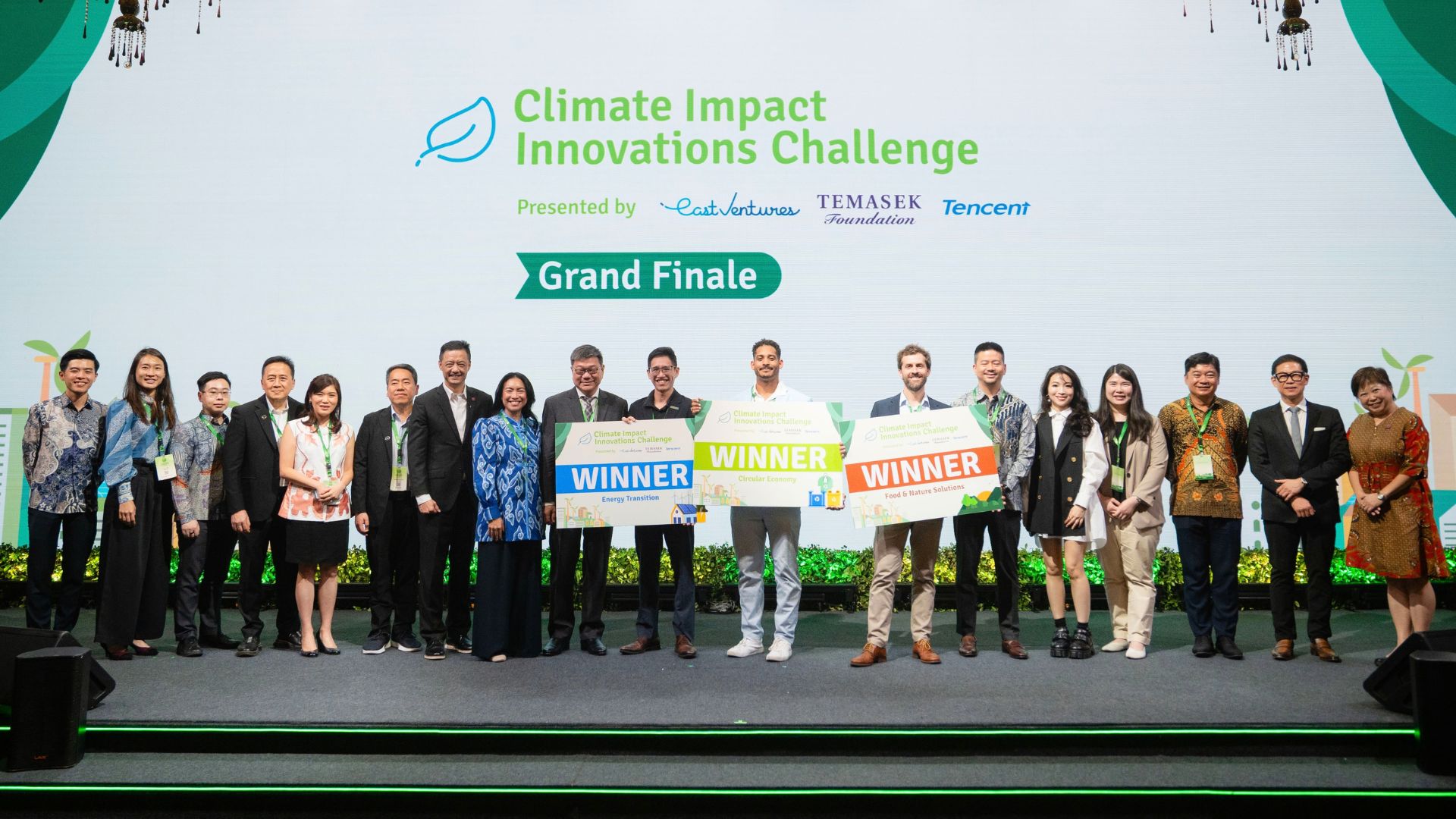
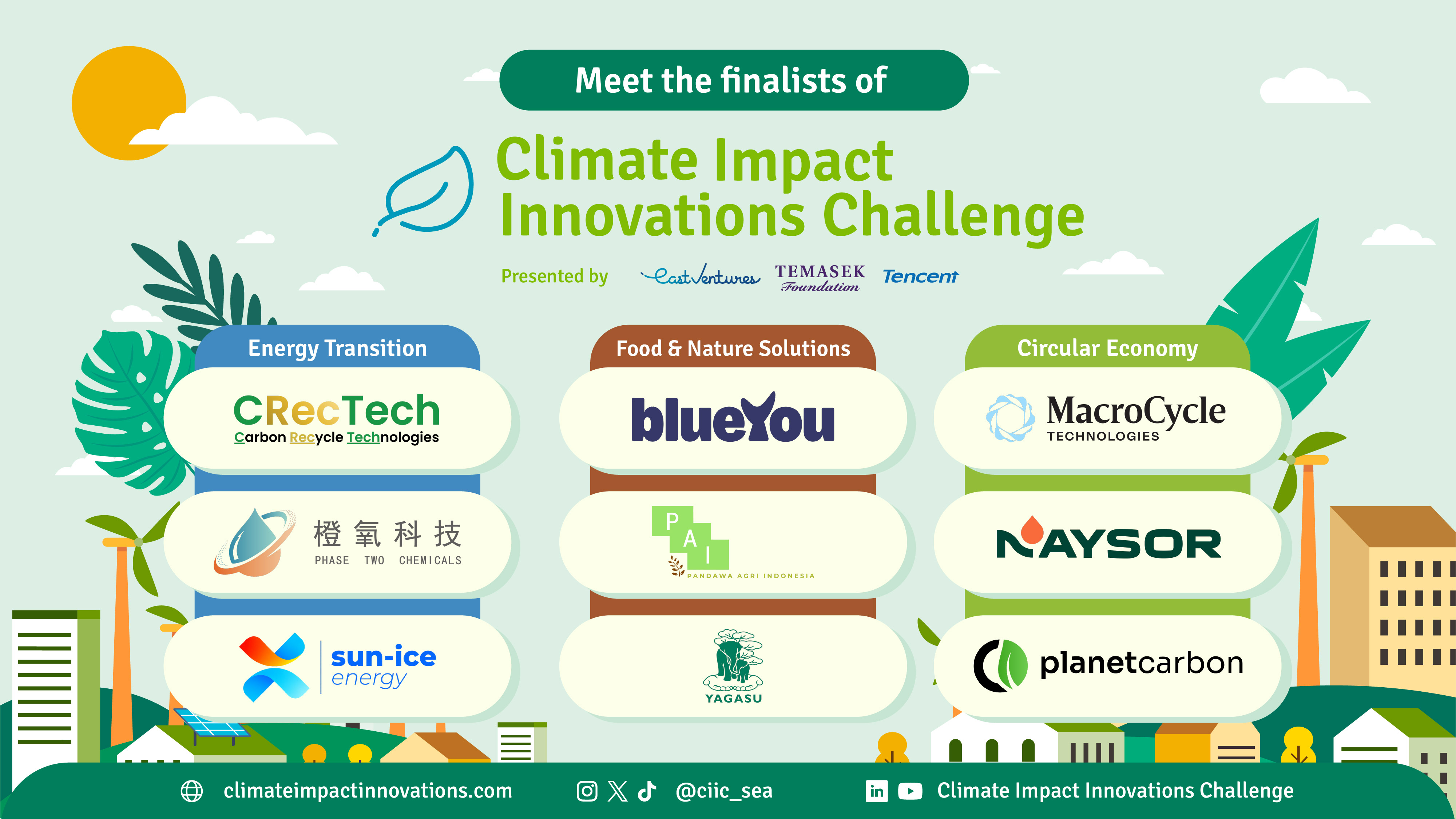
The momentum for sustainable energy continues to grow through ecosystem-building initiatives like the Climate Impact Innovations Challenge (CIIC).
Following the success of the 2025 program, which highlighted the Energy Transition, these challenges continue to empower tech innovators to pilot ecological solutions in Indonesia.
“There’s a huge opportunity here. A lot of people say climate change is the challenge of a lifetime—but I like to think of it as the chance of a lifetime,” Eka said.
“Instead of seeing it as climate change, see it as a climate chance. This is our moment to change what we’ve been emitting into the world for the past 70 to 100 years. If we don’t take action now, we might not get another opportunity.”
By fostering a supportive ecosystem for renewable energy, Xurya and its partners are ensuring that the transition to a greener future provides both significant environmental and economic impact.
Learn more about the Climate Impact Innovations Challenge here.